
Office Line: 051 023 0676 | Whatsapp: 063 804 8966 | 012 023 0556
Course Fees
R1,500.00
Course Duration:
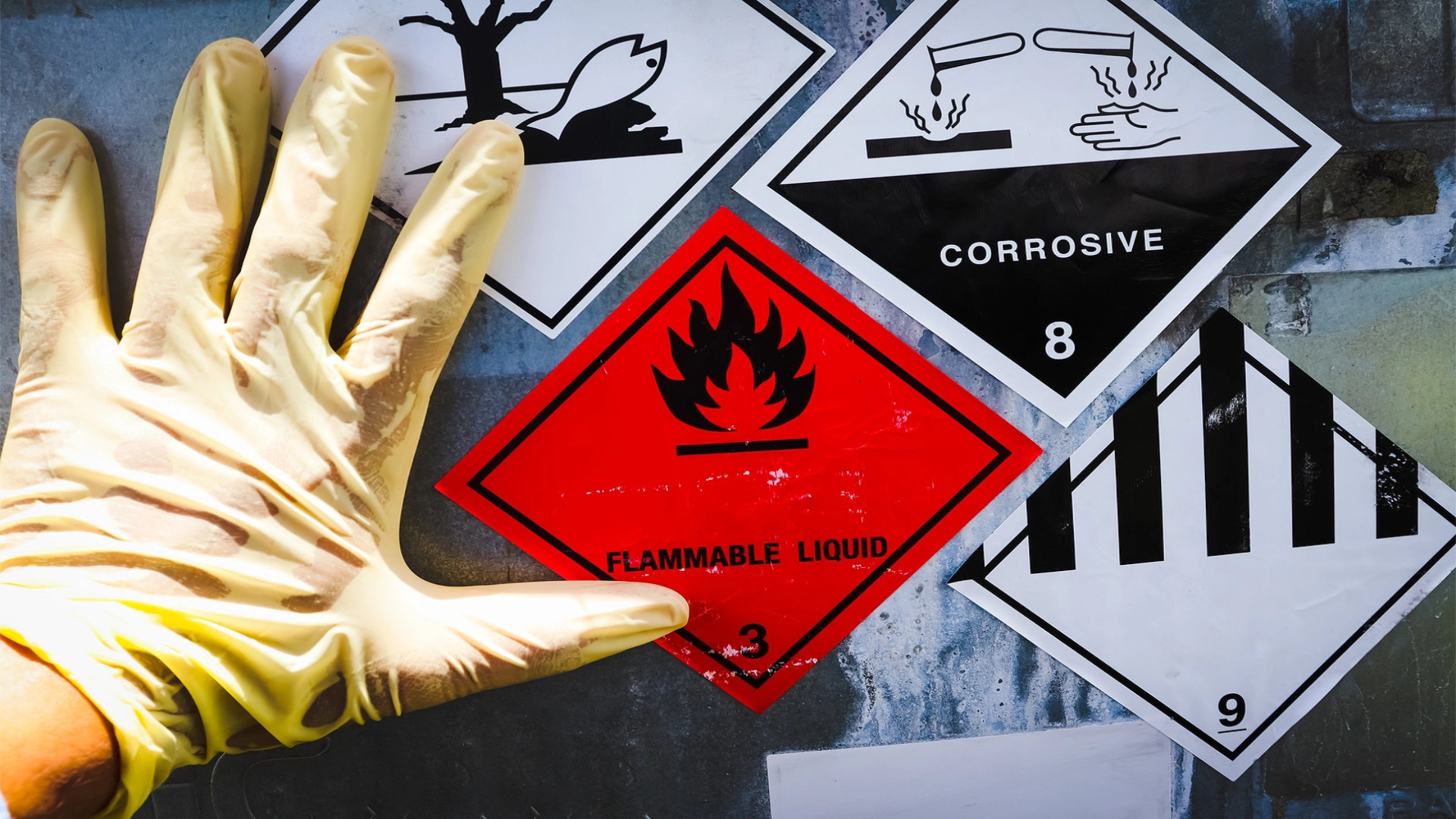
A core objective of the Occupational Health and Safety Act 85 of 1993 is to maintain a working environment that is safe, healthy, and compliant. To achieve this, employers and workers must be able to identify hazards, assess associated risks, and implement proper control measures.
The HIRA process plays a critical role in:
Preventing workplace injuries and illnesses
Protecting property, equipment, and the environment
Ensuring compliance with statutory requirements
Risk identification is not a paperwork exercise — it is a proactive approach to ensuring continuous safety performance in the workplace. This course equips learners with practical skills to conduct meaningful risk assessments and contribute to an effective safety culture.
This unit standard is designed for individuals responsible for identifying hazards and assessing risks within the workplace, particularly in high-risk environments such as construction, manufacturing, mining, and industrial operations. The course empowers learners to create safer working environments by proactively identifying hazards, evaluating risks, and implementing appropriate controls.
The course references key legal requirements under the OHS Act and Regulations, including:
Section 8: Employer obligations to eliminate or mitigate risks
Section 10: Manufacturer responsibilities in ensuring safe products
Section 12: Identification and evaluation of workplace hazards
Section 18: Health & Safety Representatives’ responsibilities
Major Hazard Installation Regulations (Reg. 5)
Construction Regulations (Reg. 5, 9, & 10)
Learners gain clarity on when and why to conduct baseline, issue-based, and continuous risk assessments, including risk assessments for fall protection and construction activities.
After completing this programme, learners will:
⭐ Contribute meaningfully to workplace safety efforts
⭐ Reduce loss, incidents, and unnecessary downtime
⭐ Improve compliance and safety communication
⭐ Assist with legal and audit requirements
⭐ Build confidence in identifying, assessing, and controlling risks
Legal requirements for workplace risk assessments
Types of risk assessments: Baseline, Issue-Based & Continuous
Purpose and importance of HIRA in safety systems
Risk assessment documentation and reporting
Identifying workplace hazards and common industry risks
Recording, communicating, and reporting findings
Control measures, corrective actions, and follow-up procedures
Using HIRA tools, checklists, and observation techniques
Applying HIRA methodology to real scenarios
This course is ideal for:
Health & Safety Representatives
Supervisors and Managers
SHEQ Officers and Coordinators
Employees involved in high-risk work environments
Anyone required to conduct workplace risk assessments
No prior formal training is required.
A qualified learner will be able to:
✔ Explain the requirements and legal principles governing hazard identification and risk assessments
✔ Prepare and plan for workplace inspections
✔ Identify hazards and evaluate workplace risks using approved methodologies
✔ Recommend, implement, and monitor remedial actions and follow-up processes
Course Assessments
Formative Assessment:
✓ Practical activities, group discussions, and real-world scenarios
Summative Assessment:
✓ Final written or practical assessment demonstrating competence
Learners who successfully complete both components will receive a nationally recognized certificate of competence.
Take the next step in building a safer work environment. Book your seat in our Hazard Identification & Risk Assessment (HIRA) training course.
📞 Contact Real Skills Training Institute to register or request group onsite training.
Unit Standard: 244383
NQF Level: 2
Credits: 2
Certificate Validity: 2 Year

© 2026 Real Skills Technical FET. All rights reserved.
